
An introduction to AI tools by By Paul Williams
Paul Williams has been coding since he was 15, when his maths teacher handed him a textbook, unlocked the school computer after hours, and told him to figure it out. Forty-five years later, not much has changed except now Paul has Claude Code.
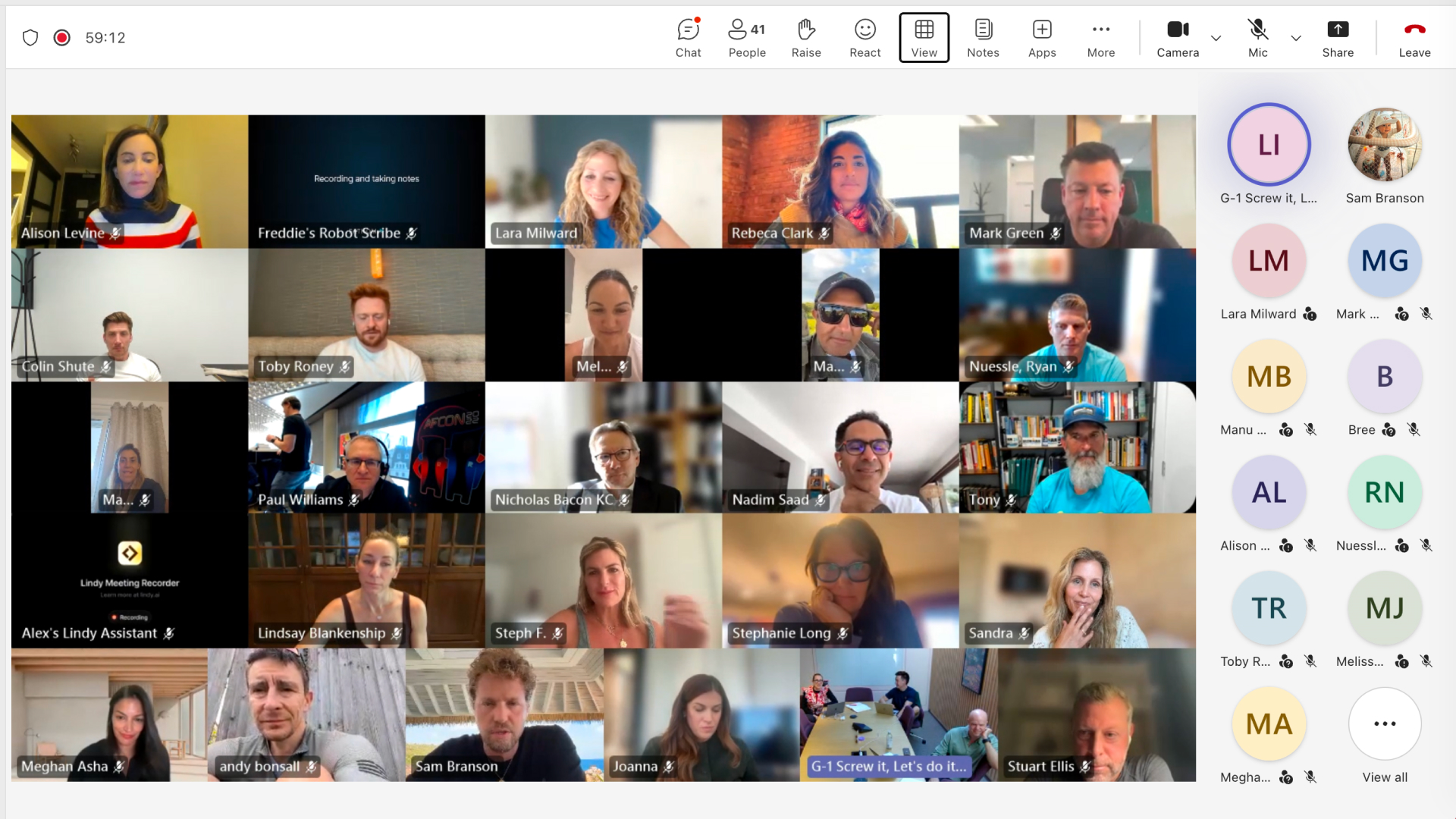
In a recent Strive Collective masterclass, Paul did something most of us would never dare: he opened a live coding session in front of the whole community, gave an AI a mission, and let it run. No safety net. No prepared code. Just a goal, a terminal, and a lot of curiosity.
Here's what happened - and what it means for you, whether you've ever written a line of code or not.
What Paul actually built
Starting from a blank screen, Paul asked Claude Code to build an iPhone app that could read and visualise his personal health data - heart rate, step counts, resting heart rate analysis - all pulled live from his phone. Within the session, the app was running. With Strive branding. On his actual phone.
No manual code writing. Just clear instructions in plain English, and an AI that looped, tested, and refined until it got there.
What this tells us about AI
Paul's explanation of how large language models actually work is one of the clearest you'll find anywhere. The short version: AI is a text predictor, trained on most of the internet, that predicts the most likely next word based on everything it has ever read. It isn't reasoning. It isn't conscious. It's maths - extraordinarily powerful maths - and understanding that makes it far less intimidating and far more useful.
The leap from "chat tool" to "coding agent" happens when you stop asking it questions and start giving it missions. Tools like Claude Code loop autonomously - writing code, testing it, fixing errors, and trying again - until the job is done.
Paul's personal rule on AI and creativity
One moment that landed with the room: Paul draws a firm line at using AI for anything creative - music, art, writing with a genuine human voice. For learning, for code, for synthesising public information? He's all in. For replacing the creative soul of a human? Not a chance. It's a distinction worth sitting with.
As Paul put it: "It's a really great way of learning at any level. Just say: I'm not a programmer, explain what you did in the simplest possible steps. And it will."
Watch the full recording
Explore Related Content
A new chapter begins - Launch Call Recording